
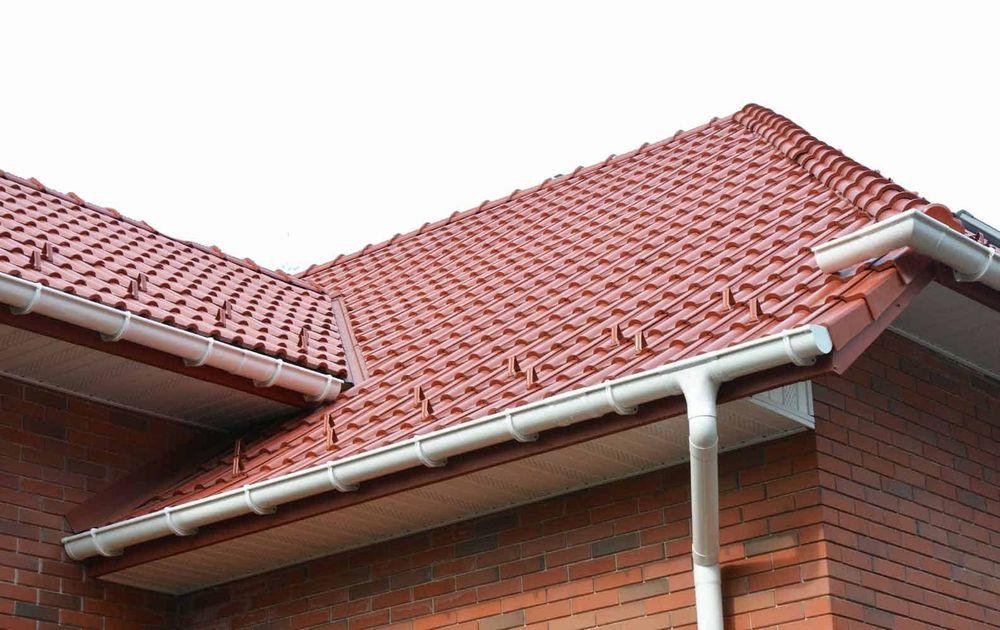
Gutters aren't the most glamorous part of your home, but they're essential for keeping water away from your walls, foundations and interior. When they fail, the damage they cause can cost far more than the repair would have.
Our guttering services
- Fitting new sections of guttering and downpipe
- Full guttering replacements in uPVC, cast iron, aluminium and other metals
- Securing gutter brackets to the fascia
- Replacing missing stop ends
- Clearing blockages and fitting gutter guards
- Water flow tests
- Repairing valleys on pitched roofs
Why gutters matter
Northern Ireland gets a lot of rain. Even 1mm of rainfall puts a litre of water on every square metre of your roof. Without working gutters, that water runs down your walls and soaks into the ground around your home, leading to penetrating damp, wet and dry rot, mould and, eventually, structural damage to timbers. Properly installed guttering carries all of that water safely into the drains.
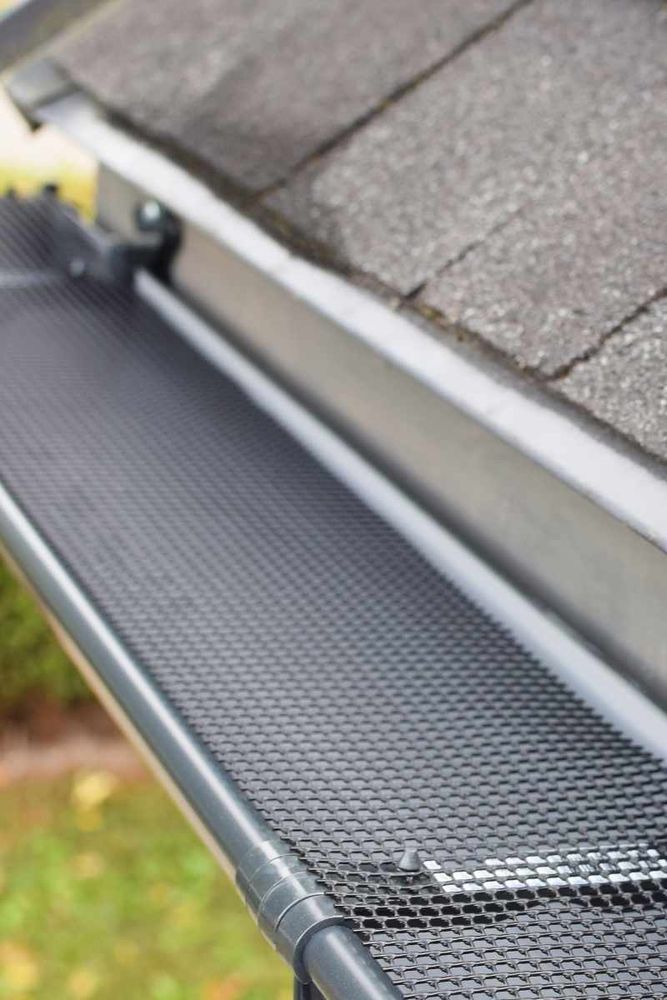
Types of guttering
uPVC and PVC
The most common choice in the UK: lightweight, strong, affordable, and it doesn't rust or corrode. Available in a wide range of colours and profiles.
Cast iron
Found on many older properties and still installed on period and heritage homes. Very strong but heavy, and it needs regular painting to prevent rust.
Aluminium, zinc, steel and copper
Metal gutters can be formed seamlessly and look superb on high-end and heritage properties. Zinc and galvanised steel are low-maintenance, while copper develops an attractive patina over time, but all come at a higher price.
Concrete (Finlock) gutters
Used on some properties built from the 1950s to the 1970s. They often crack, sag and leak, and some contain asbestos, so we usually recommend replacing them.
Gutter shapes
- Half round: the most popular, long-lasting profile suited to most homes.
- Square: a modern look with a higher capacity.
- Ogee: a decorative moulded profile with a high flow rate.
- Deep flow: the best choice for large roofs and heavy rainfall.
Signs your gutters need attention
- Water overflowing or dripping from joints during rain
- Sagging gutters or brackets pulling away from the fascia
- Downpipes leaning away from the wall
- Damp patches, moss or algae on walls below the gutter
- Rust or holes in metal guttering
- Plants growing in the gutters
Repair or replace?
Often a repair is all that's needed: new seals, replacement brackets, clearing blockages or re-fixing downpipes. If your guttering is badly damaged or at the end of its life, replacement is the better long-term option. Gutter work is carried out at height, so it should always be done by trained professionals with the right access equipment. Call us for a free, friendly quote.